9 hr
Kyoto Highlights: Temples, Shrines & Bamboo Grove Full-Day Coach Tour
Experience Kyoto's iconic landmarks—Golden Pavilion, Fushimi Inari's torii gates, and Arashiyama's bamboo forest—in a single day.
Reserve
Hand-picked by our editors — only the best 5 experiences from 47 reviewed
Verified partners for every tour, free cancellation where available, and instant confirmation on every booking.
9 hr
Experience Kyoto's iconic landmarks—Golden Pavilion, Fushimi Inari's torii gates, and Arashiyama's bamboo forest—in a single day.
Reserve
10 hr
Explore sacred deer parks, vermilion shrine tunnels, and Arashiyama's tranquil bamboo groves in one day
Reserve
6 hr
Beat the tourist rush with a sunrise walking tour of Kyoto's three most iconic landmarks
ReservePrices from verified partners. Availability updates in real time at checkout. Free cancellation policies apply where shown.
The landmarks, rooms, and views travelers on this tour remember — all visible on a single visit.
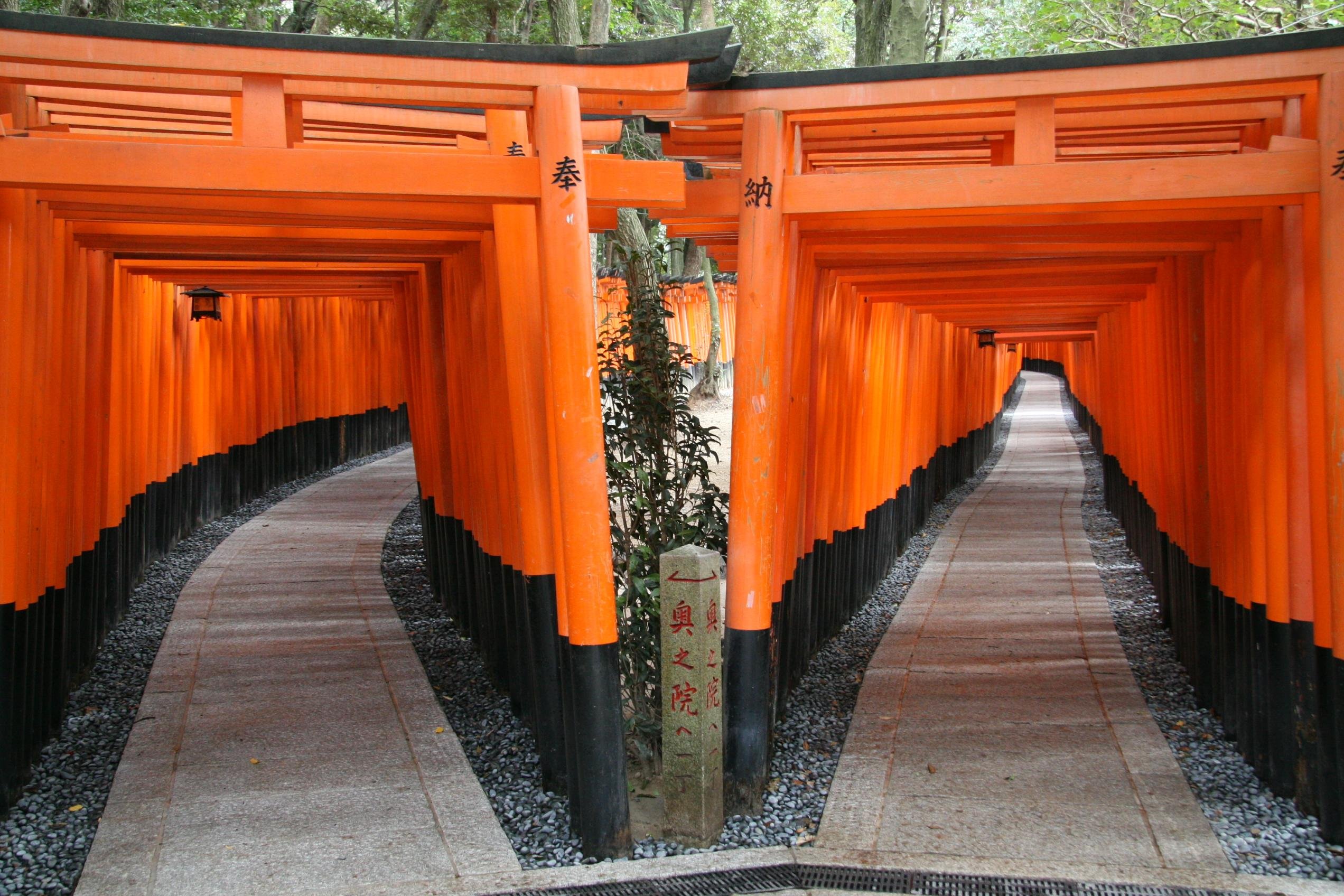
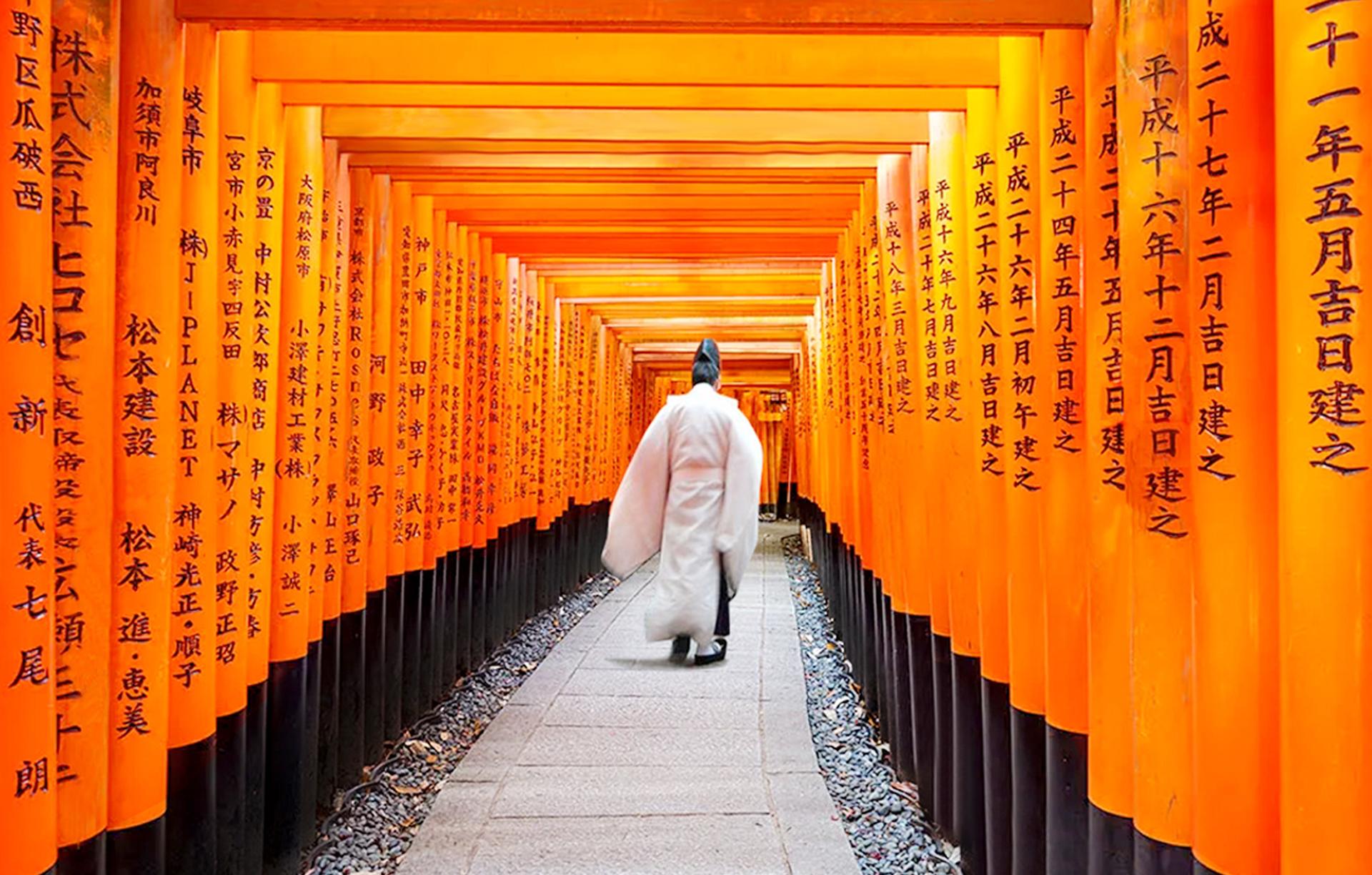
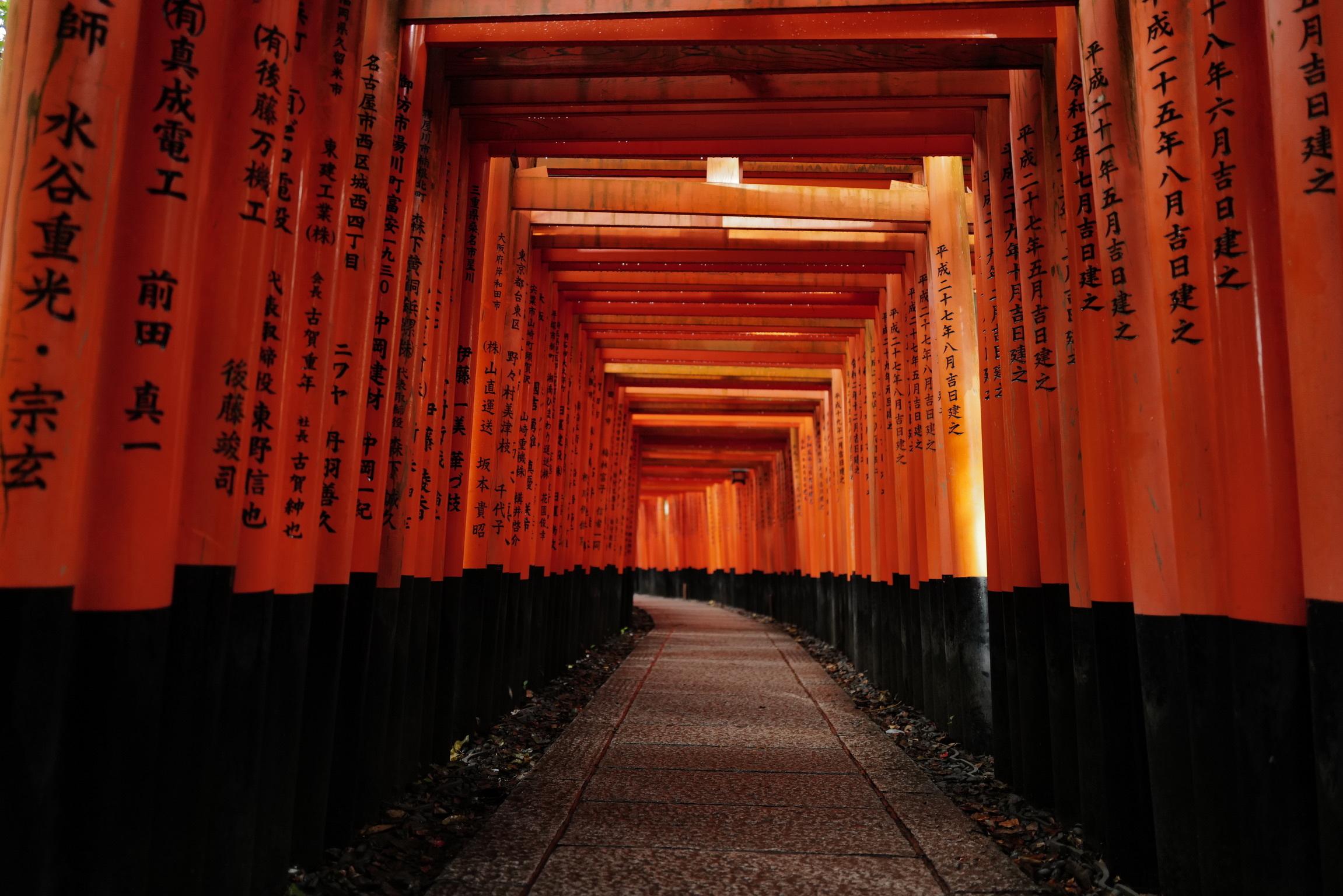
The famous tunnel of thousands of vermilion gates, spanning the primary path of the mountain. It features 10,000 gates donated by individuals and companies.
The summit reaches an elevation of 233 meters above sea level. This peak provides a vantage point over the southern Kyoto basin.
This location serves as the rear shrine where visitors can pay respects before the main trail ascent. It is home to the famous Omokaru-ishi stone lanterns.
Numerous stone fox statues are scattered throughout the shrine grounds acting as messengers of Inari. There are hundreds of these distinct stone carvings across the site.
The primary structure of Fushimi Inari-taisha Shrine dedicated to the deity of rice and business. It is an important cultural property of Japan.
The meditative, solitary nature of a fushimi inari night walk offers a stark contrast to the social, bustling energy of a daytime exploration; most visitors find the quiet darkness more rewarding for personal reflection. While both allow exploration of these Kyoto landmarks, the temporal choice dictates your entire interaction with the Shinto site.
| Feature | Top pick Night Walk | Daytime Visit |
|---|---|---|
Crowd density |
Minimal, solitary experience | Very heavy, constant traffic |
Atmosphere |
Quiet, mystical, contemplative | Bustling, social, energetic |
Photography opportunities |
Low light, Requires equipment | High visibility, natural light |
Access to sub-shrines |
Accessible, self-guided | Accessible, often crowded |
Safety and lighting |
Dim, localized artificial light | Full daylight, highly visible |
Temperature |
Cooler, comfortable (summer) | Hot, humid, potential heatstroke (summer) |
| See tickets → |
Verdict: Those seeking serenity should prioritize fushimi inari night walk tours, whereas travelers valuing easy navigation and clear photos of the vermilion torii gates will prefer a daytime visit.
Choose your ticket, select your date, and reserve in under two minutes. Secure checkout handled by our verified partner.
Instant confirmation by email, with a mobile voucher you can save offline. No printing, no queuing at a collection desk.
Arrive at the entrance, show your voucher on your phone, and walk in. Most tickets include priority or skip-the-line access.
Practical details for your visit straight from our verified partners — hours, access, rules, and how to get there.
Inari-cho, Fukakusa, Fushimi-ku
Main transit access point for visitors
Take the JR Nara Line to Inari Station or the Keihan Main Line to Fushimi Inari Station.
Taxis can drop visitors at the main entrance area.
Wear comfortable walking shoes for the fushimi inari night walk as the mountain trails contain uneven stone steps. Modest attire is recommended when approaching sacred areas.
Keep your belongings secure during your fushimi inari night walk as there are no public security checkpoints. Large luggage should be left at Kyoto Station to maintain mobility on the trails.
Photography is permitted throughout the grounds during a fushimi inari night walk. Use a tripod carefully to avoid blocking the narrow passage of the torii gates.
The lower sections near the entrance are relatively flat, but the full fushimi inari night walk involves significant climbing. Many paths consist of traditional stone steps that are not wheelchair accessible.
Mobile service is generally reliable throughout the mountain trails. Keep your device charged to use as a flashlight during a fushimi inari night walk.
The site is open to families, though the steep terrain during a fushimi inari night walk may be challenging for small children. Keep close watch as the forest paths are dark after sunset.
There are limited vending machines and small tea houses on the lower levels, but most close before the late hours of a fushimi inari night walk. Carry sufficient water for your trek.
Pets are allowed on the grounds if kept on a leash. Be mindful of others during your fushimi inari night walk as the paths can be narrow and crowded.
The fushimi inari night walk offers a unique perspective of the thousands of vermilion gates without daytime crowds. Respect the quiet nature of the site at night.
Inari-cho, Fukakusa, Fushimi-ku
Main transit access point for visitors
Get directionsBest time to go, insider tips, nearby landmarks, and the cancellation fine print — flip through to skim what matters to you.
How crowds, weather, and events shift across the year.
August evenings are warm and humid, providing a tropical feel for a fushimi inari night walk. Avoid midday heat by visiting during the designated early hours.
Temperatures cool down in October and November. The trails remain accessible for evening visits under autumn foliage.
Crisp, cold air defines the winter months. Night visits require warm layers for the long trek.
Cherry blossoms bloom in early April. Early morning is the best time for photography before the crowds arrive.
Small details that turn a good visit into a great one.
Visit between 00:00 and 06:00 to experience the peaceful atmosphere during a fushimi inari night walk.
Carry enough water as shops are closed during the late hours of a fushimi inari night walk.
Wear sturdy shoes because the stone paths become slippery if it rains during a fushimi inari night walk.
Use a headlamp to keep your hands free while hiking during your fushimi inari night walk.
Follow all posted signs regarding restricted areas during your nocturnal visit.
Non-bookable sights within a short walk — free to visit, easy to pair.
Zen temple known for its expansive gardens and historical architecture.
Local area often bustling with cultural history.
Exhibits focused on local history and traditional crafts.
Flexible, no hidden fees.
As entry is free at 0 JPY, there are no cancellation fees for general site access. Please check your specific guided fushimi inari night walk tour provider for their independent booking terms.
Hand-picked options within walking distance — pick a district for vibe, or a specific hotel for convenience.
Directly connected to Kyoto Station for easy access.
Convenient walking distance to the shrine entrance.
Traditional Japanese lodging experience located near the shrine.
Fushimi Inari Taisha receives more than three million visitors each New Year alone, yet the shrine compound never closes its gates. The 24-hour access policy, unusual among Japan's major religious sites, transforms the mountain after sunset into a pilgrimage route lit only by scattered stone lanterns and the occasional headlamp of a determined climber. The shrine's famous senbon torii—literally "thousand gates," though estimates place the actual count above ten thousand—were donated over centuries by individuals and businesses seeking favor from Inari, the Shinto deity of rice, agriculture, and prosperity. Each vermillion tunnel marks a prayer made tangible, and the oldest surviving gates date to the Meiji period, their wood darkened and grain exposed by more than a century of weather. The mountain trail system extends roughly four kilometers from the main hall to the summit at 233 meters, winding through dense forest punctuated by auxiliary shrines, fox statues, and stone markers. Daytime crowds thin dramatically after the last tour buses depart around six in the evening, leaving the pathways to a smaller cohort of photographers, night hikers, and worshippers. The absence of artificial floodlighting preserves the site's original atmosphere—pilgrims historically climbed at dawn or dusk, when the boundary between the human and spirit worlds was believed to blur. The torii gates, painted with a pigment derived from cinnabar and iron oxide, appear nearly black under moonlight, their color returning only where lantern flame catches the lacquered surface. Architecturally, the torii follow a myojin style with curved lintels and secondary kasagi beams, each inscribed on the reverse with the donor's name and dedication date. The gates stand so closely spaced along certain stretches that their shadows create a continuous tunnel, the geometry repeating in diminishing perspective until the path curves out of sight. Stone fox figures—Inari's messengers—flank every sub-shrine, each pair holding symbolic objects: keys to the rice granary, sheaves of grain, or wish-fulfilling jewels. The summit plateau holds multiple small shrines and offers views over southern Kyoto, though the city lights obscure stars and the forest canopy blocks sightlines along much of the ascent. Rainfall intensifies the scent of wet cedar and moss, and in summer months the cicada chorus continues well past dark. The shrine's twenty-four-hour operation requires no ticket, no reservation, and no fixed route—visitors are free to turn back at any point, though the full loop typically requires two to three hours at a steady pace.

"The torii gates appear nearly black under moonlight, their color returning only where lantern flame catches the lacquered surface."
A step-by-step walkthrough of the visit — what you'll see, how long each stage takes, and the details that matter.
You arrive at the main gate just as the last tour groups filter out toward the station, their voices fading into the evening hum of Fukakusa. The haiden worship hall stands open, its eaves backlit by a handful of hanging lanterns, and you pause to bow twice, clap twice, bow once—the rhythm automatic now. Past the hall, the first torii tunnel begins, and you step into the vermillion corridor where temperature drops a degree and street noise cuts off entirely. Your phone's flashlight stays in your pocket; the path is worn smooth by millions of footsteps, and enough ambient light leaks from the stone lanterns to navigate without stumbling. Twenty minutes up, the crowds have vanished. You pass a lone jogger descending in technical gear, then nothing but the rustle of something small moving through the underbrush. The torii gates here are older, their paint faded to rust-brown, and you stop to read the kanji dedication carved into the back of one post—a sake brewery, 1923. The air smells of wet wood and earth. At the first summit plateau, you find a vending machine glowing incongruously beside a small shrine, and you buy cold barley tea, drinking it while a fox statue watches from its stone pedestal. The descent takes the outer loop, fewer gates but wider views between the trees, and by the time you return to the main precinct an hour and forty minutes later, the floodlit worship hall feels almost harsh after so long in near-dark.
Yes, Fushimi Inari-taisha Shrine is open 24 hours daily, allowing you to enjoy a fushimi inari night walk at your convenience.
There is no charge for visiting, as the entrance fee is 0 JPY for all visitors.
The best arrival window is 00:00–06:00 to avoid daytime crowds during your fushimi inari night walk.
Yes, various local operators offer a guided fushimi inari night walk tour for those wanting historical context.
Yes, you are encouraged to bring a flashlight and comfortable shoes for your fushimi inari night walk.
The lower gate trails are always open, but the full mountain path is steep and requires stamina for a fushimi inari night walk.
Restrooms are located near the base of Fushimi Inari-taisha Shrine, though availability is limited on the upper mountain trails.
No tickets are required for entry to the shrine grounds for a fushimi inari night walk.
Wear supportive walking shoes and layers, as the temperature can drop during a fushimi inari night walk.